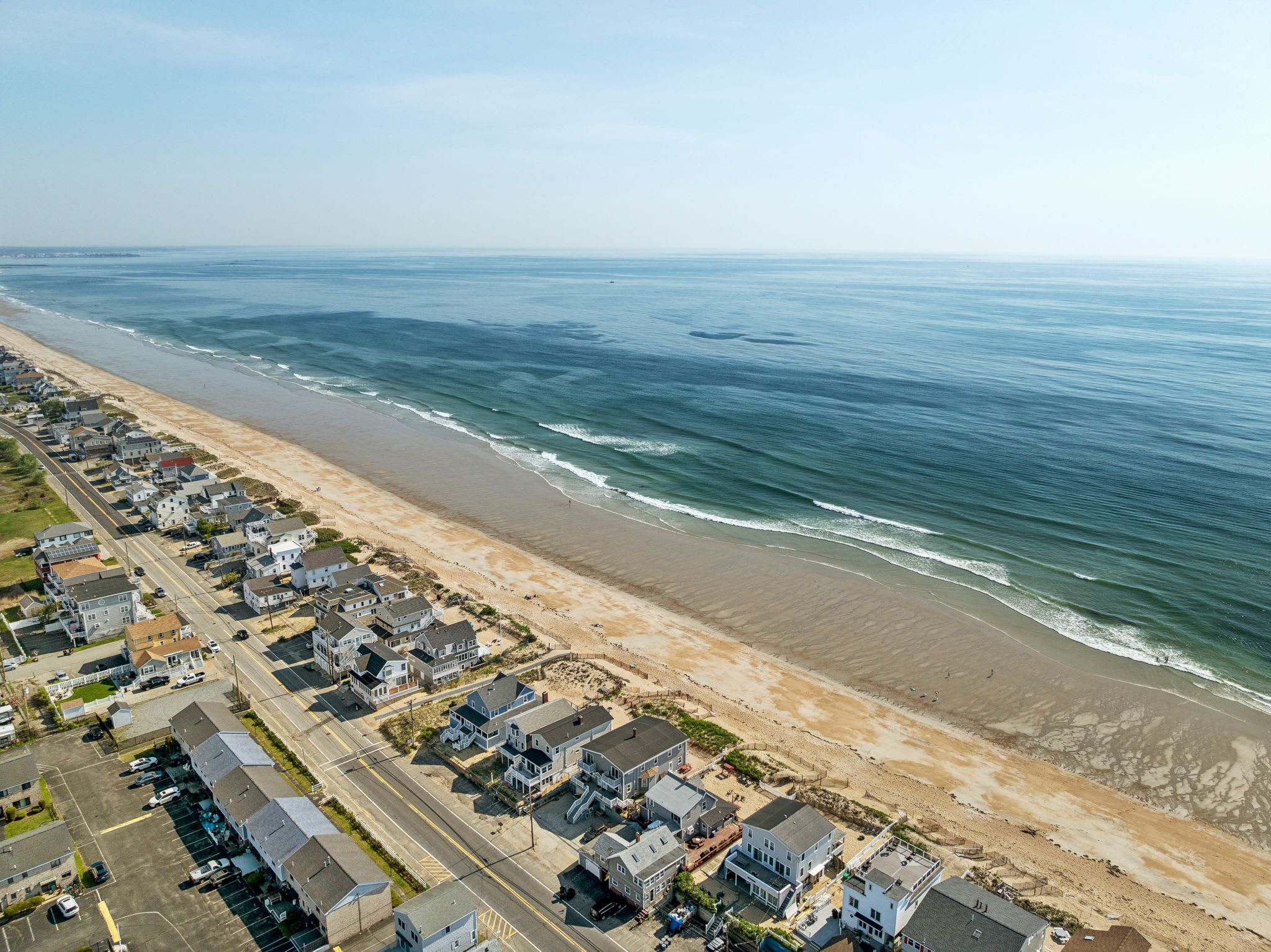
Best Places to Visit in New Hampshire for Gardens and Blooms
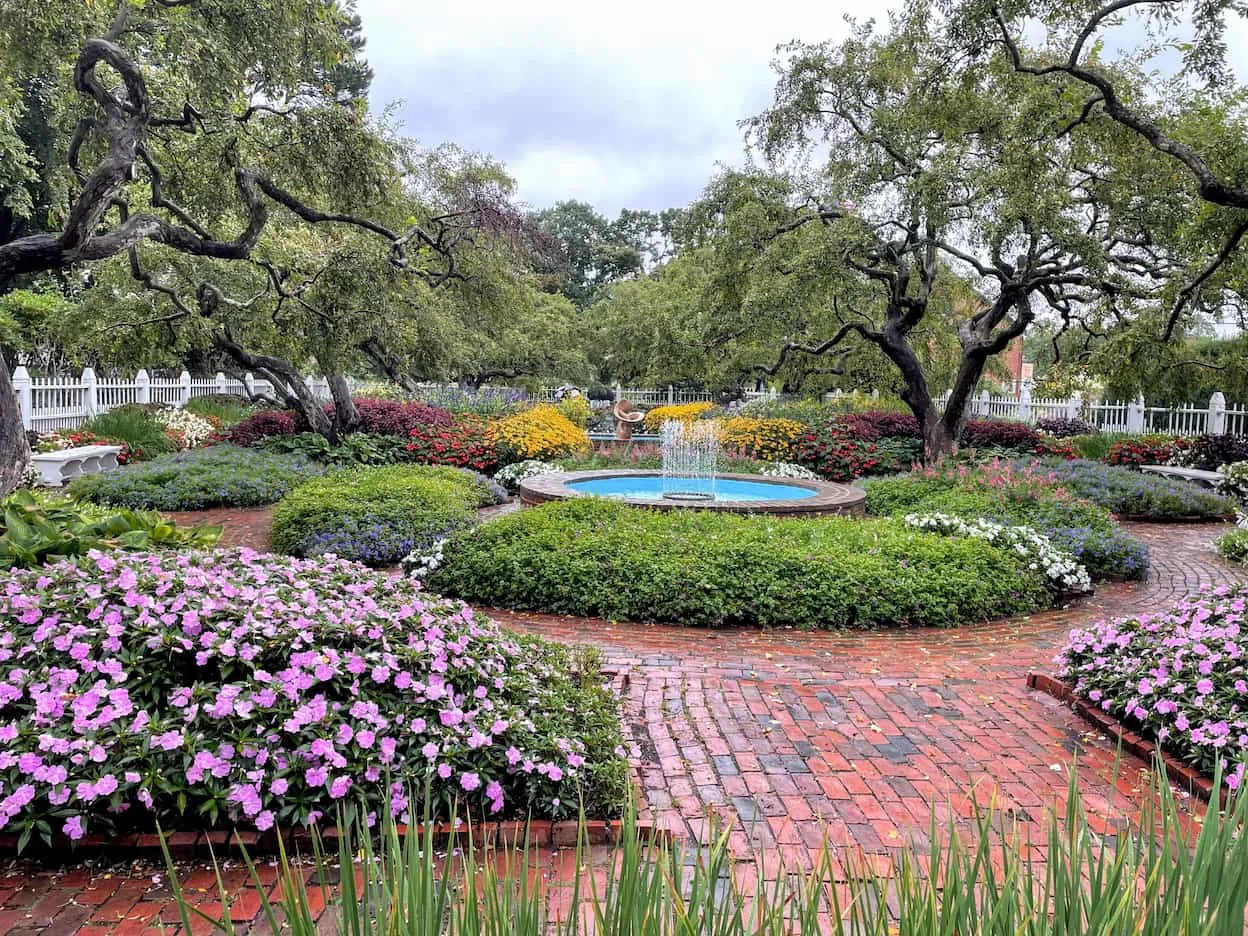
Best Places to Visit in New Hampshire for Gardens and Blooms
New Hampshire is known for beaches and mountains, but it's also home to some of the best gardens and wildflower spots in New England. From formal estate gardens along the coast to alpine wildflowers in the White Mountains, you can find stunning blooms from late spring through early fall.
If you’re planning a trip and want something beyond the usual itinerary, exploring a New Hampshire flower garden or bloom-filled landscape is one of the best ways to experience the region. From curated seaside gardens to wildflower-lined mountain trails, these are some of the best places to visit in New Hampshire when everything is in bloom.
Seacoast Garden Escapes
Fuller Gardens: North Hampton's Historic Estate Garden
Fuller Gardens in North Hampton is one of the most recognized garden destinations in New Hampshire. This 2-acre estate garden, designed in the 1920s, features rose gardens, perennial beds, Japanese gardens, and seasonal displays that change throughout the year.
The rose garden peaks in late June and early July, with over 2,000 rose plants in bloom. The perennial gardens put on shows from May through September.
Fuller Gardens is open from mid-May through mid-October. The garden is about 10 minutes from both our Hampton Beach vacation rentals and our Rye vacation rentals, so you can head to the beach in the morning and unwind in the afternoon with a garden visit.
Prescott Park: Portsmouth's Waterfront Garden
Prescott Park, on the Portsmouth waterfront, offers free admission year-round. The park has formal display gardens that bloom from late spring through fall, with peak color in July and August.
The annual flower beds get replanted each season with thousands of plants. You'll find tulips and daffodils in spring, then dahlias, zinnias, and other annuals through summer and early fall. The park also hosts outdoor concerts and theater performances during the summer months.
Check out our Portsmouth rentals that are just minutes from Prescott Park and all that the downtown area has to offer.
Bedrock Gardens: Lee's Artist-Designed Landscape
Bedrock Gardens in Lee is different from traditional estate gardens. Artists Bob Munger and Jill Nooney spent decades transforming 20 acres into a sculptural landscape that combines gardens, art installations, and natural woodland.
The gardens include perennial beds, rock gardens, water features, and outdoor sculptures. You'll find blooms throughout the growing season, but the garden is designed to be interesting even when flowers aren't the main focus. Bedrock Gardens is open from mid-May through October and even offers guided tours for groups.
Celia Thaxter's Garden on Appledore Island
Celia Thaxter's Garden on Appledore Island is harder to reach but worth the effort for serious garden enthusiasts. The garden was originally created in the 1890s by poet Celia Thaxter and has been restored based on her writings and paintings.
The island garden features old-fashioned cottage garden plants: poppies, hollyhocks, sweet peas, and other varieties that Thaxter grew. The setting on a rocky island 10 miles off the coast makes this garden unique.
Access requires booking a boat tour through the Shoals Marine Laboratory. Tours run from late June through August and include a guided tour of the island and a catered lunch back at the laboratory's dining facilities.
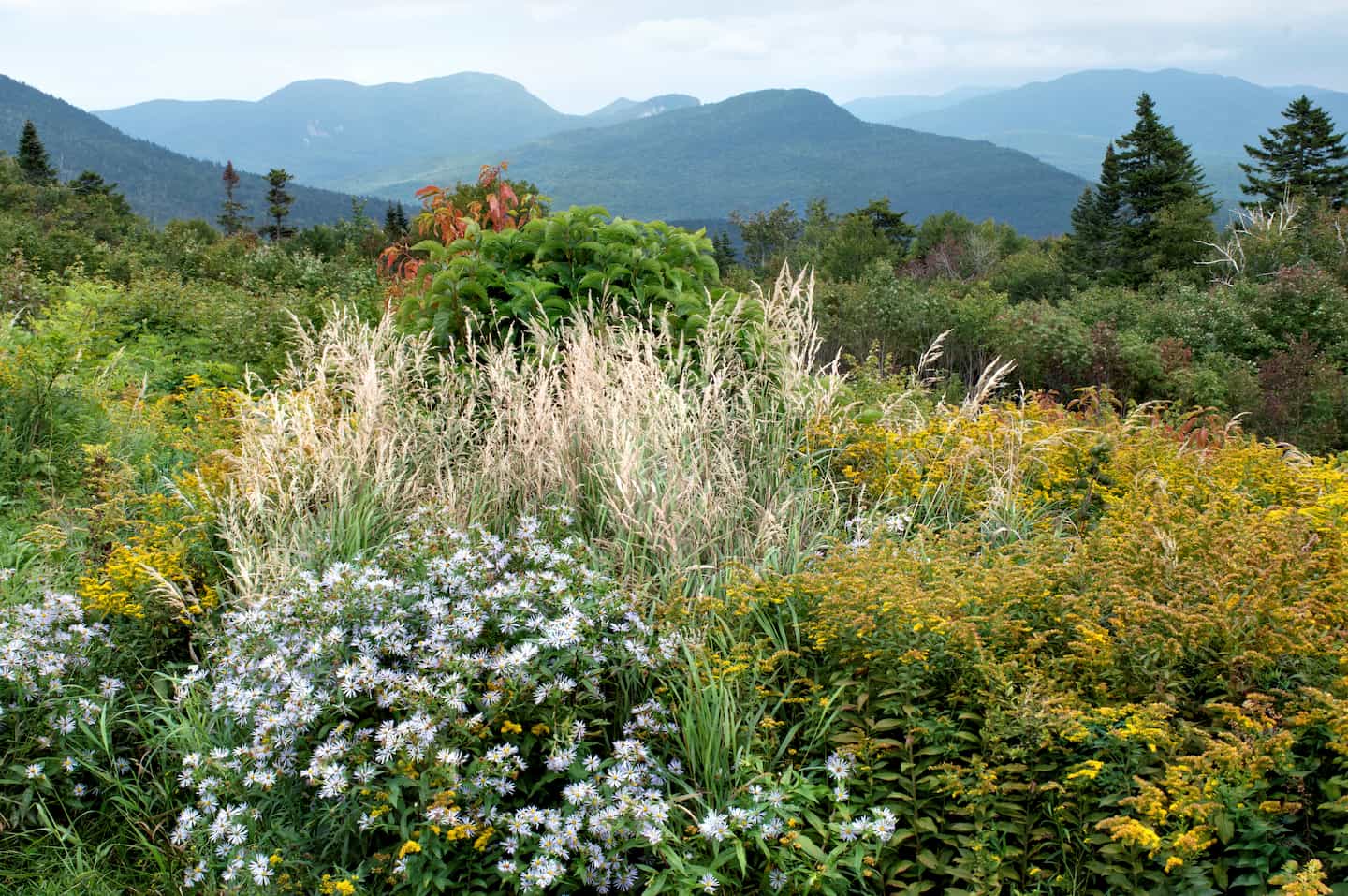
Summit Wildflowers
White Mountain Wildflowers: From Roadside Stops to Alpine Peaks
The White Mountains offer a wide range of wildflower experiences, from easy roadside stops to high-elevation alpine landscapes. Whether you’re looking for a quick, no-effort stop or a full day outdoors, there’s something here for every pace and skill level.
Easiest: Ranger Station Gardens
If you want to see native wildflowers without committing to a hike, the ranger station gardens throughout the White Mountain National Forest are a great place to start. These thoughtfully maintained spaces showcase local plant species in easily accessible settings.
At Androscoggin Ranger Station, you’ll find three small gardens filled with rhodora, goldenrod, meadowsweet, and asters. The area is also a draw for butterflies, including the rare Karner blue.
The Saco Ranger District offers similar viewing gardens, complete with short, marked paths and interpretive signage that adds a bit of context to what you’re seeing.
These gardens are free to visit, open during daylight hours, and typically peak in mid to late summer.
Easy: Roadside Blooms at White Brook Fen
White Brook Fen sits just off the Kancamagus Highway, roughly halfway between Lincoln and Conway. It’s one of the most unique places to see wildflowers without heading deep into the woods.
In late spring, usually May into early June, the fen comes alive with bright pink rhodora blooms. You’ll also find pitcher plants, Labrador tea, and tamarack trees growing in this wetland environment.
While it’s easy to access from the road, it’s not exactly a casual stroll. The terrain is uneven and often wet, with hidden stream channels and soft ground. Plan to wear boots or sturdy shoes you don’t mind getting muddy, and it’s worth keeping a change of clothes in the car.
Moderate: Wildflower-Filled Trails
For those who want to spend a little more time exploring, several trails in the region offer consistent wildflower viewing throughout the season.
The Sawyer Pond Trail (Sawyer River Road, Bartlett, NH) is a favorite for good reason. The relatively gentle, two-mile (each way) route to the pond is lined with seasonal blooms from late spring through summer. In June, you might spot pink lady’s slippers, followed by mountain wood sorrel, bunchberry, and other woodland flowers as the season progresses.
For a slightly more rugged option, Black Mountain via the Chippewa Trail (Lime Kiln Road, Haverhill, NH) offers a rewarding 3.6-mile round-trip hike that leads to an open, rocky summit with sweeping views of the surrounding mountains.
What makes this area especially interesting for wildflowers is its rare natural habitats. Along the trail and near the summit, you’ll pass through red pine, rocky ridge, and red spruce–heath communities, environments shaped by past wildfires and now home to hardy plant species like lowbush blueberry, sheep laurel, cinquefoil, and even pink lady’s slippers in season.
Advanced: Alpine Blooms on Mount Washington
At the highest elevations, wildflower viewing becomes something entirely different. Mount Washington is home to one of the most unique alpine environments in the eastern United States.
Above the treeline, tiny, resilient flowers bloom in rocky, wind-swept conditions from late June through August, typically peaking in July. Look for species like Lapland rosebay, alpine azalea, and diapensia, plants that thrive in conditions too harsh for most vegetation.
Reaching these alpine areas requires more planning, whether you hike or drive the Auto Road. Weather can change quickly at higher elevations, so even in summer, layers are essential. And because these flowers grow low to the ground, you’ll need to slow down and look closely. They're easy to miss, but well worth the effort.
Sugar Hill Lupines
Each June, fields around Sugar Hill near Franconia turn purple, pink, white, and blue with lupine blooms. The second and third weeks of June typically offer peak viewing, though timing shifts slightly each year based on spring weather.
Sugar Hill sits in gentle countryside with views of the Franconia and Presidential Ranges. The area is accessible from I-93 or the Kancamagus Highway from Conway. Popular photo stops include St. Matthew's Chapel and Sunset Hill Road, where a protected lupine field offers sweeping mountain views.
The lupine season is short, usually lasting about two weeks at its best. If you're planning a trip specifically for the lupines, check local reports before heading out to confirm bloom status.
Bonus Stops
Kirkwood Gardens
Located in the Lakes Region of NH, Kirkwood Gardens (900 US-3, Holderness, NH) is open daily to the public, with thoughtfully designed plantings and walking paths. It’s a great stop if you’re exploring central New Hampshire or heading between regions.
Settlers Green Outlet Village
If you’re already shopping in North Conway, the Settlers Green shopping center (2 Common Ct, North Conway, NH) features many public container gardens from Memorial Day through Columbus Day, adding a seasonal touch to an otherwise typical outlet stop. It’s not a destination garden, but it’s a nice bonus while you’re in the area.
Sherman Farm
In late summer, typically beginning in August, Sherman Farm (2679 East Conway Rd., Center Conway, NH) offers cut-your-own flower fields, giving visitors the chance to create their own one-of-a-kind, colorful bouquet.
Coastal Maine Botanical Gardens
For those willing to drive a bit farther, Coastal Maine Botanical Gardens in Boothbay, Maine, is one of the most popular garden destinations in New England. At 295 acres, it's the largest botanical garden in the region, featuring 17 acres of ornamental gardens, walking trails through forests and along tidal shoreline, and unique attractions like the Children's Garden and giant troll sculptures.
The gardens are open from May through mid-October, with blooms throughout the season. July through September typically offers the most diverse and abundant displays.
Planning Your Garden Trip
Timing matters when planning a garden-focused trip to New Hampshire. Coastal gardens start blooming in May and continue through October, with peak season from late June through August. Mountain wildflowers have a shorter window, typically late June through early August at higher elevations.
If you want to see both coastal gardens and mountain wildflowers in one trip, plan for July. This gives you the best chance of catching roses at Fuller Gardens and alpine flowers on Mount Washington.
The weather affects bloom times each year. A warm spring pushes everything earlier. A cool, wet spring delays blooms but often extends the season. Check garden websites before visiting for current conditions.
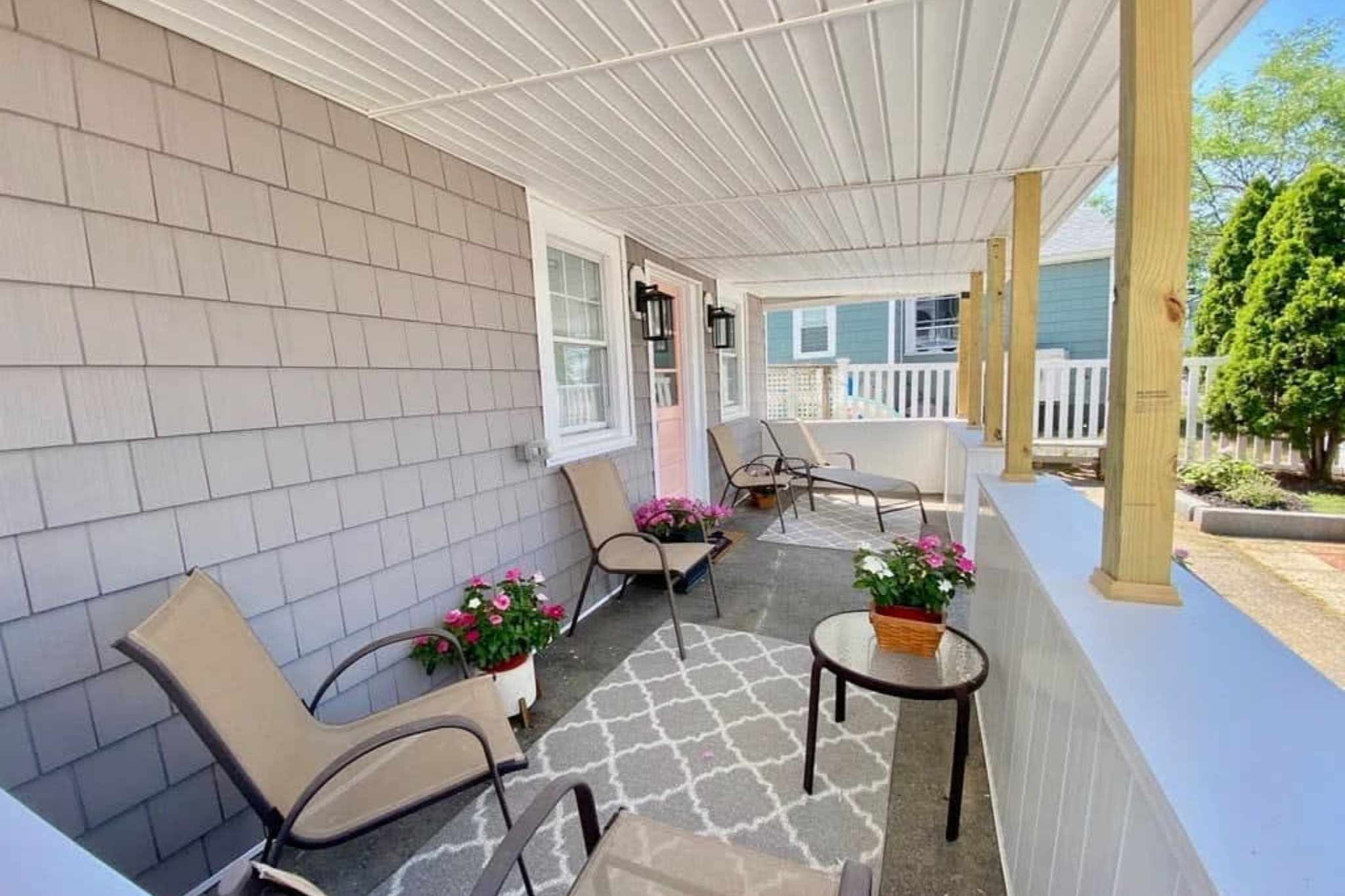
Where to Stay in New Hampshire for Easy Access
One of the advantages of staying in this region is how easy it is to combine multiple stops into one trip. Staying on the coast puts you close to gardens like Fuller Gardens and Prescott Park, while mountain rentals offer direct access to trails and wildflower areas.
Seacoast 2 Summit offers New Hampshire vacation rentals in both regions, making it simple to plan a stay that includes both curated gardens and natural landscapes without long travel days or complicated logistics.
Experience New Hampshire in Bloom
From formal rose gardens by the ocean to quiet trails lined with wildflowers, New Hampshire offers a different kind of seasonal experience, one that feels slower, more local, and more connected to the landscape.
If you’re looking for the best places to visit in New Hampshire this year, consider planning your trip around what’s in bloom. It’s one of the simplest ways to see the region at its most memorable.
Browse our vacation rentals and start planning your trip to experience New Hampshire in bloom.