Should You Rent Your Property as Corporate Housing?
Why Mid-Term Rentals in New England Are an Untapped Revenue Stream
If you own a rental property in New Hampshire or Massachusetts, you've probably noticed the ups and downs. Beach properties thrive in summer but slow down in winter. Mountain properties boom during ski season but struggle in spring and early summer. Those shoulder season gaps can hurt. You've considered every option: dropping rates, offering last-minute discounts, maybe even shutting down for a few weeks.
What if there was a way to fill those gaps with professional guests who stay for weeks or months at a time, treat your property with respect, and generate solid income during your slowest periods?
Corporate housing for professionals offers exactly that. Its a strategy property owners are using to stabilize income, reduce turnover stress, and tap into steady demand from professionals relocating, traveling nurses, insurance adjusters, and companies training employees.
The best part? You don't have to choose one model forever. Many owners split their year between short-term rentals during peak vacation months and corporate rentals when tourism slows. Let's explore whether this approach makes sense for your property.
What Is Corporate Housing?
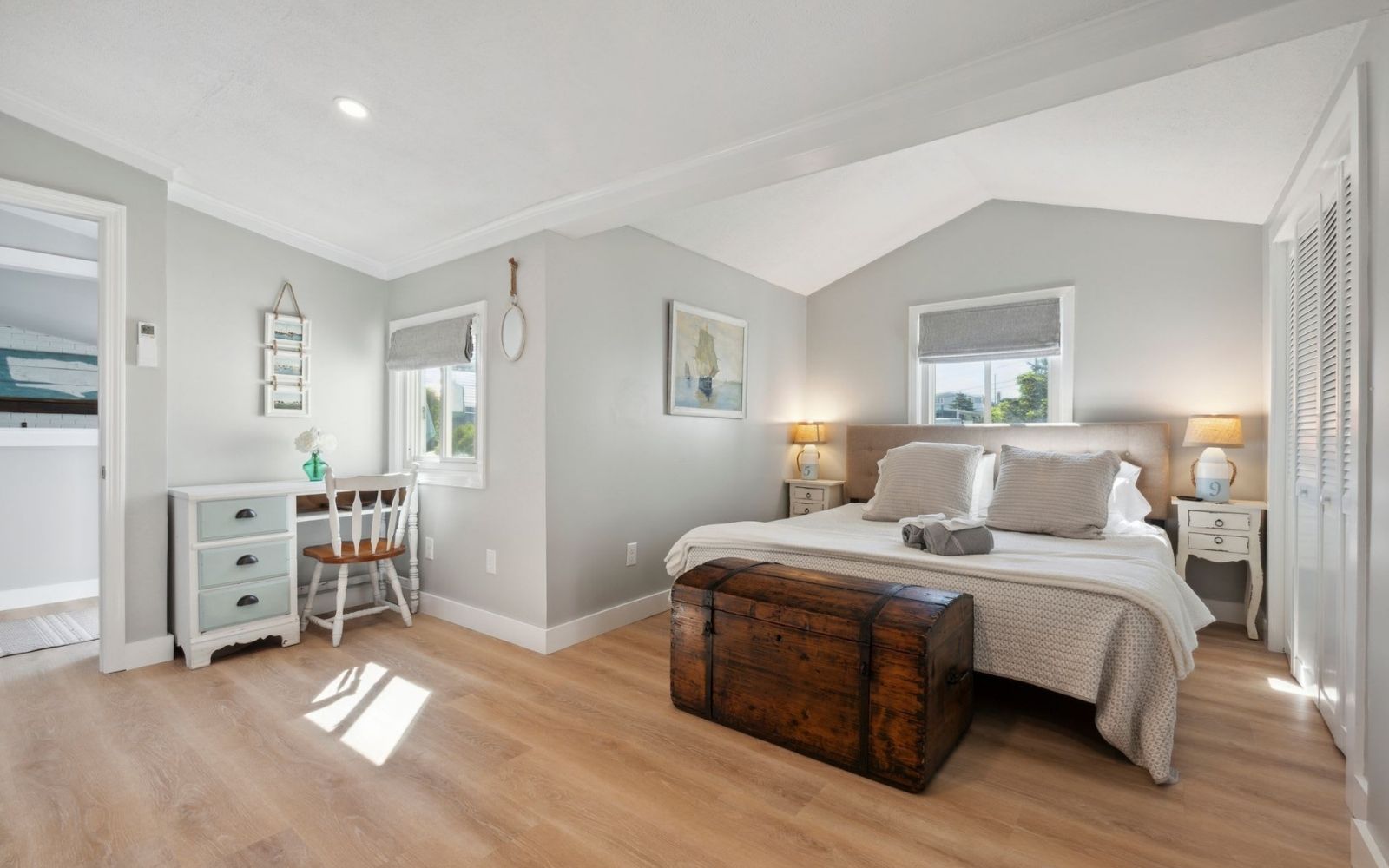
Corporate housing is a fully furnished rental designed for guests staying 30 days or longer. These aren't vacationers looking for weekend escapes. They're professionals on temporary assignments, families between homes, or companies housing employees during projects.
Unlike short-term vacation rentals, corporate housing focuses on practicality over luxury extras. Guests need reliable WiFi, a functional kitchen, a comfortable workspace, and proximity to their workplace or project site. Think of it this way: vacation rentals sell an experience. Corporate housing sells a solution.
Why Property Owners Are Exploring Corporate Housing Rentals
The numbers tell a compelling story. Recent studies show that corporate housing now represents 28% of the short-term rental market, and that share is growing. Property owners are finding that mid-term rentals solve several common headaches.
Fewer turnovers mean lower costs. When you're hosting weekend guests year-round, you're scheduling cleanings every few days, managing constant check-ins, answering dozens of questions, and replacing worn items regularly. Corporate guests typically stay 4 to 12 weeks. You clean less, replace less, and spend far less time coordinating logistics.
Better treatment of your property. Professionals staying on company business have strong motivation to treat your space well. They're representing their employer, and any damage or complaints could reflect poorly on them. Party risk drops to nearly zero.
More predictable income during slow seasons. Vacation rentals in New England face clear seasonality. Summer and fall foliage bring strong bookings, but late spring and early winter can be painfully slow. Corporate housing fills those gaps with steady, reliable income.
How Some Owners Split Their Year
Here's where it gets interesting. You don't have to commit to one model year-round.
Many New England property owners run their spaces as vacation rentals during peak demand months (summer, fall foliage, ski season, depending on location) and shift to corporate housing during slower periods.
A coastal property might operate as vacation rentals from June through October, when families flock to the beach. From November through May, the same property attracts traveling nurses working at nearby hospitals, insurance adjusters handling claims, or professionals on temporary assignments in the area.
Mountain properties near North Conway follow a similar pattern. Vacation rentals dominate the winter ski season and the summer hiking months. Spring mud season and late fall become corporate housing opportunities for construction crews working on regional projects, medical professionals on rotation, or companies training employees at local facilities.
This flexibility lets you maximize income across all 12 months without committing to a single strategy that might leave you struggling during off-peak periods.
The Real Costs and Considerations
Corporate housing isn't simply switching platforms and waiting for bookings. It requires thoughtful setup and realistic expectations.
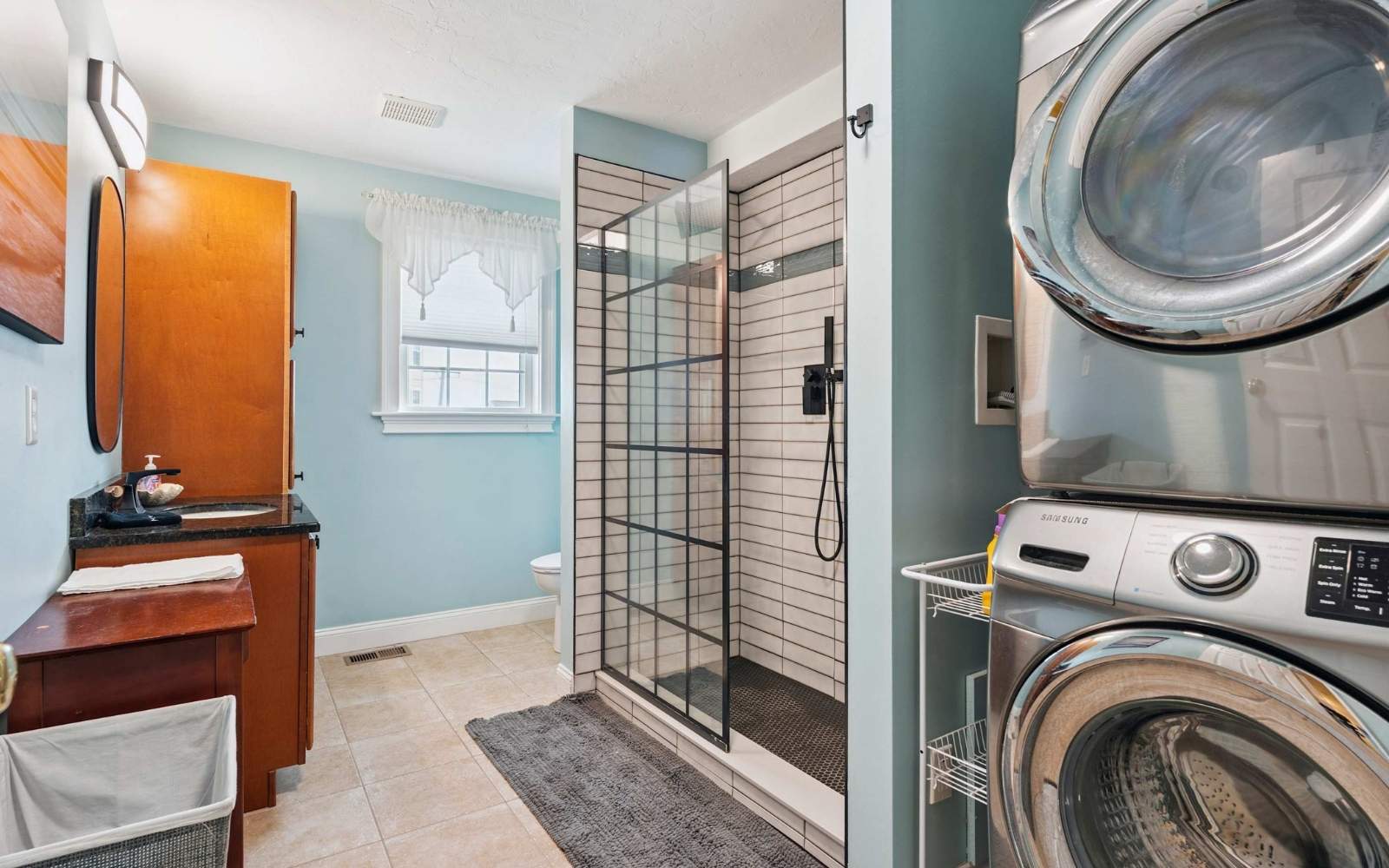
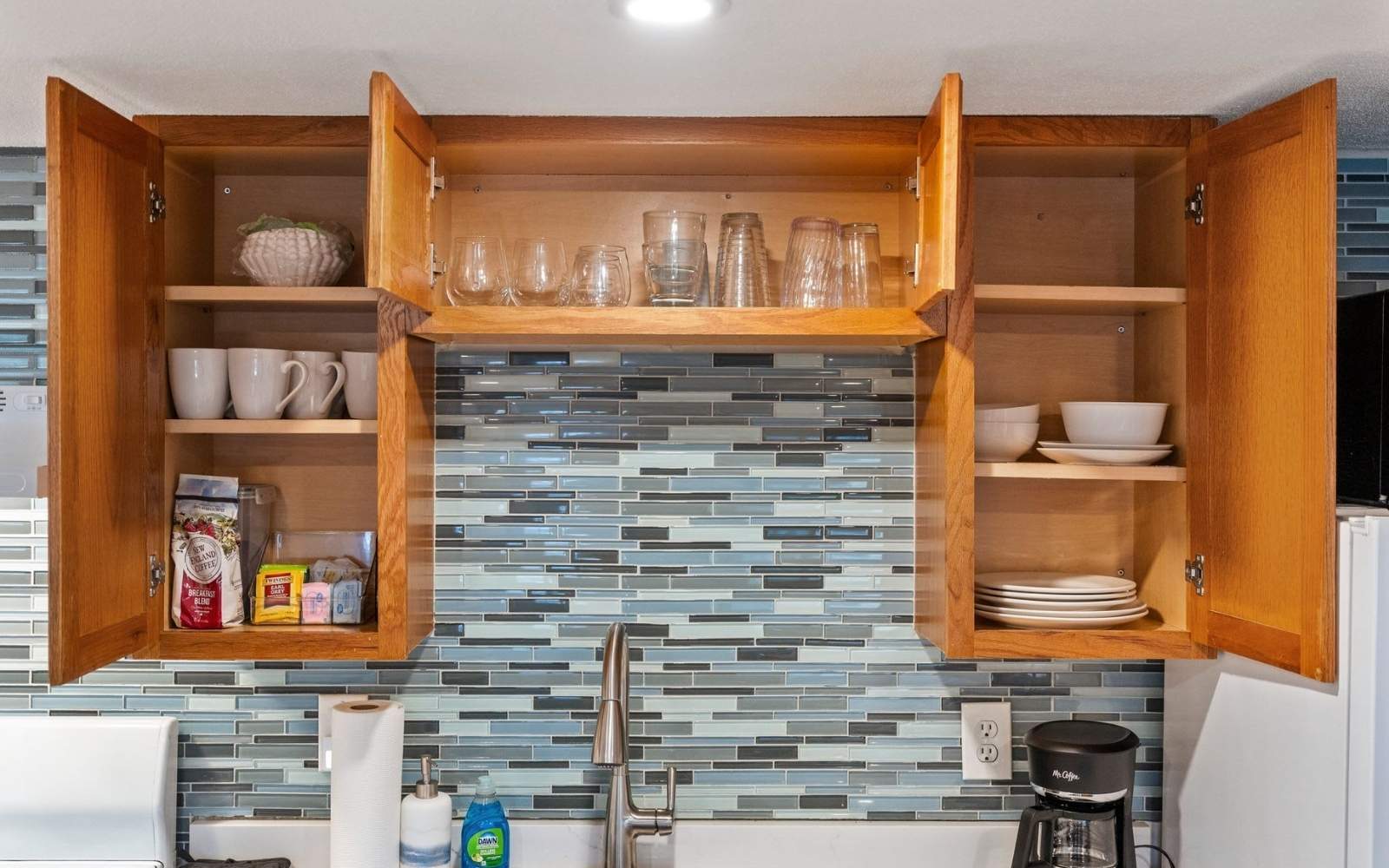
Initial investment in quality furnishings matters. Corporate guests expect functional spaces. You need reliable appliances, a proper workspace, comfortable seating, and all the basics of everyday living. If your vacation rental is decorated for Instagram appeal but lacks practical kitchen tools or a dining table that works for laptop use, you'll need upgrades.
Marketing requires different channels and messaging. Listing on Airbnb and Vrbo won't reach most corporate clients. You'll need to explore platforms like Furnished Finder, list on local housing groups, and potentially build direct relationships with HR departments at large regional employers. Or work with a company like Seacoast 2 Summit who has access to these types of guests.
Local regulations may vary. Corporate housing typically involves longer stays (30+ days), which can fall under different regulations than short-term vacation rentals. It's worth checking your local rules, but many owners find that corporate housing faces fewer restrictions than shorter vacation stays.
Who Corporate Housing Works Best For
Not every property or owner is a good fit for corporate rentals. This model tends to work best if you match several of these criteria:
Your property is near professional hubs. Location drives corporate demand. Properties within 20 minutes of major employers, hospitals, business districts, or active construction zones book fastest.
You're looking for more predictable income. If the roller coaster of vacation rental bookings stresses you out, corporate housing's longer stays and advance bookings provide stability.
You prefer less hands-on management. Corporate guests rarely need recommendations for restaurants or guidance on local attractions. They handle their own entertainment and ask fewer questions.
You're willing to invest in practical upgrades. Your property doesn't need luxury, but it needs functionality. Strong WiFi, proper workspace, reliable appliances, and comfortable living spaces matter more than hot tubs and game rooms.
You have patience for marketing. Building corporate relationships takes time. You won't flip a switch and see instant bookings. But once you're connected with the right companies and networks, repeat business becomes common.
The Other Side: What Makes Corporate Housing Challenging
The benefits sound appealing, but corporate housing brings its own set of challenges that deserve honest consideration.
Marketing feels different and takes longer. You're not posting pretty photos and waiting for bookings. You're reaching out to HR departments, listing on corporate housing platforms, building relationships, and proving you can meet professional standards. It's sales, not just marketing.
Guests have higher expectations for cleanliness and maintenance. Corporate clients compare your space to hotels. Any maintenance issues, worn furniture, or cleanliness problems will likely result in complaints. You need professional-level standards.
Deep cleans after long stays can be intensive. A guest who stayed 2 months accumulates a lot of wear and personal items, especially if they were traveling with pets. Final cleanings after extended stays often take significantly longer than standard vacation rental turnovers.
You sacrifice some of the vacation rental premium. Vacation rentals typically earn more per night than corporate housing. The trade-off is that corporate housing fills more nights at a slightly lower rate, potentially earning more overall, but you're giving up those high-demand weekend premiums.
How Seacoast 2 Summit Helps Properties Make This Transition
If corporate housing sounds appealing but the logistics feel overwhelming, you're not alone. Making this shift requires different marketing, different guest communication, different expectations. That's where our experience comes in.
Seacoast 2 Summit currently manages over 40 furnished properties available for 30+ day stays across the Seacoast New Hampshire and North Shore Massachusetts areas. We've helped property owners successfully transition from vacation-only models to hybrid strategies that combine peak-season vacation rentals with off-season corporate housing.
Our approach takes the complexity off your plate. We handle the marketing across corporate housing platforms, vet professional guests, manage all communication and bookings, and provide 24/7 support for any issues that arise during longer stays. Your guests have access to our team around the clock, which means you're not fielding maintenance requests or questions at all hours.
We also understand the practical differences between vacation and corporate guests. We know what amenities corporate clients prioritize, how to position your property for professional stays, and which upgrades will actually move the needle on bookings versus which ones are unnecessary.
The result? Property owners who work with us fill more nights, reduce turnover stress, and generate steadier income without managing the day-to-day details themselves.
Is Corporate Housing Right for Your Property?
Every property is different. Location, condition, amenities, and your personal goals all factor into whether corporate housing makes sense.
If you're curious whether your property could benefit from mid-term rentals, our team can evaluate your specific situation. We'll look at your location, current booking patterns, nearby corporate demand, and what adjustments (if any) might be needed to attract professional guests.
There's no one-size-fits-all answer, but we can help you understand whether corporate housing could strengthen your rental strategy, fill your off-season gaps, and provide the income stability you're looking for.
Complete our Mid-Term Rentals form or reach out to discuss whether your property is a good fit. Our team is here to help you make the most of your investment, whether that means sticking with vacation rentals, adding corporate housing during slow months, or shifting your strategy entirely.