A Guide to Pet Friendly Vacation Rentals: Pros, Cons, & More Insights
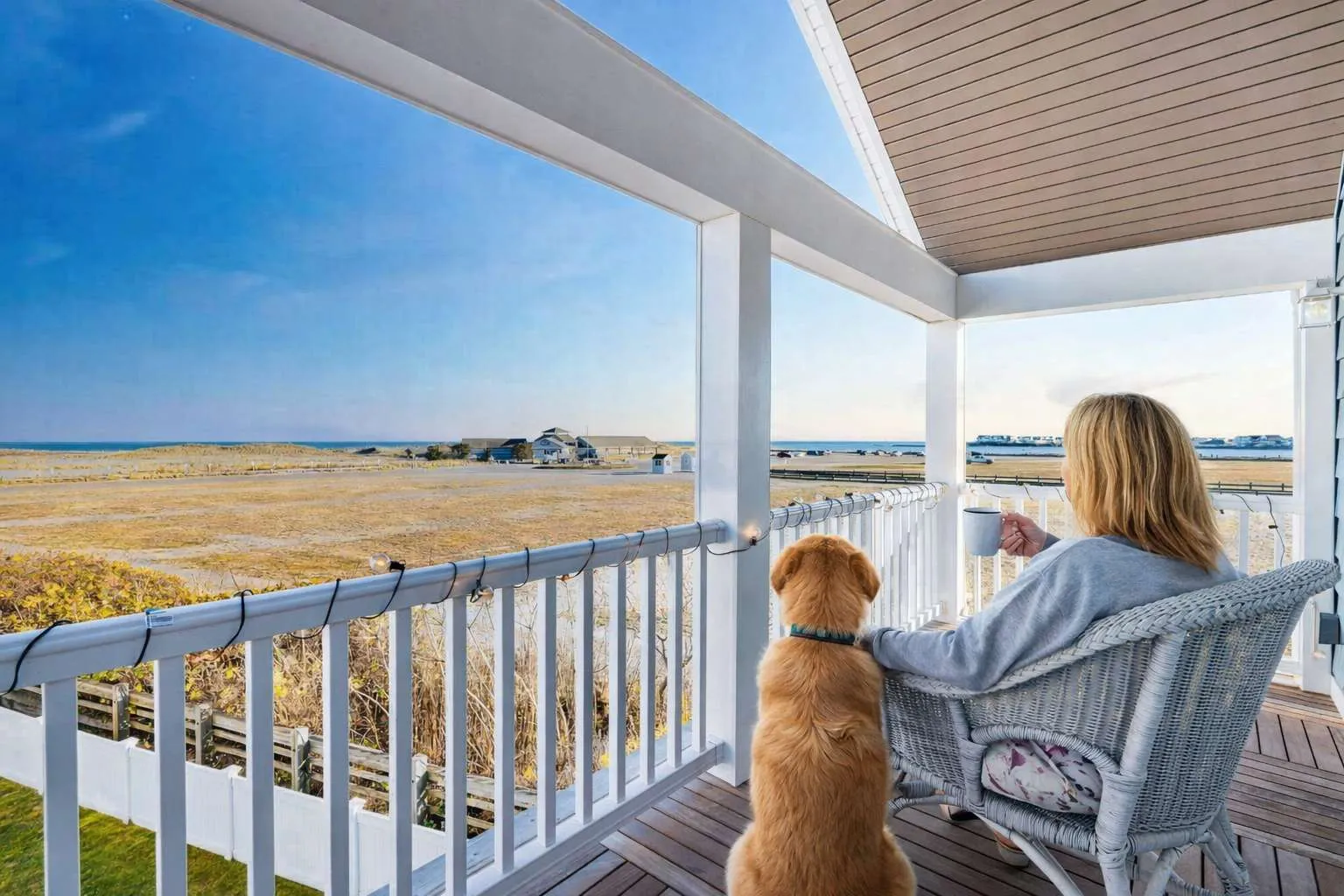
The demand for pet friendly vacation rentals has grown significantly in recent years, and it’s not slowing down. More travelers are choosing to bring their dogs along rather than leave them behind, turning pet-friendly stays into a standard expectation rather than a niche request.
For property owners, that raises an important question: Should you allow pets in your vacation rental?
The answer isn’t one-size-fits-all. In many markets, pet-friendly vacation rentals command higher prices, stronger occupancy, and increased revenue than properties that don't allow pets, but it also comes with added responsibility and risk. Here’s what to consider before deciding whether a pet friendly strategy is right for your property.
The Pros of Allowing Pets
Increased Bookings & Revenue
One of the biggest advantages of offering pet friendly vacation rentals is simple: more demand. According to the American Pet Products Association, 95 million U.S. households own at least one pet. Today’s travelers are planning trips around their furry loved ones, filtering specifically for places that allow them. If your property isn’t pet-friendly, you’re automatically excluded from a large and growing segment of potential guests.
In many markets, the number of pet-friendly homes hasn’t kept up with demand. That imbalance gives owners an opportunity to price more strategically. It’s common to see higher nightly rates, added pet fees, and stronger occupancy, especially during shoulder seasons when competition for bookings tends to increase.
Longer Stays
Traveling with a dog takes more planning, which naturally leads to longer trips. Guests bringing pets are less likely to book quick weekend getaways and more likely to stay for several nights, or even a full week.
That often means fewer gaps between bookings, fewer turnovers, and more consistent occupancy, all of which contribute to a smoother, more predictable rental income stream.
Less Competition
In a crowded vacation rental market, small differentiators matter. Allowing pets is one of the simplest ways to stand out without making major changes to your property.
While many owners still hesitate due to perceived risks, that hesitation creates an opportunity. By positioning your home as a pet-friendly option, you immediately narrow the competitive set and make your listing more visible to a highly targeted audience actively searching for it.
More Loyal Guests
Pet owners tend to be incredibly loyal once they find a place that truly works for them. Traveling with a dog isn’t always easy, so when guests discover a home that’s comfortable, accommodating, and genuinely welcoming, they remember it. These are often the guests who return year after year, leave thoughtful reviews, and treat your home with care.
The Cons to Consider
Wear and Tear
It’s realistic to expect some additional wear in a pet-friendly home. Scratched floors, minor upholstery damage, or scuffed doors are common, especially if expectations aren’t clearly set up front.
That said, the majority of pet owners are responsible and attentive. Most issues tend to come from a small percentage of guests rather than the rule. With the right house rules, deposits or fees, and a bit of preventative setup, like durable materials and washable textiles, many owners find the added wear is manageable and well worth the tradeoff.
Cleaning & Turnover Time
Cleaning a pet-friendly property requires more attention to detail. Pet hair, dander, and the occasional odor can extend turnover times, and standards need to stay consistently high, especially for guests with allergies.
This doesn’t have to be a dealbreaker, but it does require a reliable cleaning team and clear processes. Properties that perform best in this category are the ones that plan for it, rather than treating it as an afterthought.
Liability Concerns
Any time animals are involved, there’s an added layer of responsibility. Noise complaints, unexpected damage, or issues with neighbors are all valid concerns to consider.
The key is structure. Clear guidelines around pet size, number of animals, and behavior expectations go a long way in minimizing risk. Many owners also choose to require crates when pets are left alone or require that pets not be left unattended at the property. With the right policies in place, these concerns become much more manageable.

Is Your Property Suitable for Pets?
Before deciding to allow pets, it’s worth taking a step back and looking at your property through a practical lens.
Start with the property itself. Homes with outdoor space, easy access to walking areas, or durable finishes tend to perform best. A single-family home with a yard is naturally more accommodating than a small condo with strict HOA rules or high-end furnishings that are harder to maintain.
It’s also helpful to think about the type of guest you’re trying to attract. Pet-friendly policies often align with families, road trippers, and guests planning longer, more relaxed stays. If your property already appeals to that kind of traveler, allowing pets can feel like a natural extension of the experience you’re offering.
Finally, consider your specific market. In destinations where outdoor activities are a major draw, like coastal towns, lakes, or mountain regions, demand for pet friendly vacation rentals is especially strong. Guests aren’t just bringing their dogs along; they’re choosing destinations where their pets can be part of the experience.
How to Make Your Rental Pet Friendly (The Right Way)
The difference between a pet-friendly home that performs well and one that creates headaches usually comes down to how intentional the setup is from the beginning.
Set Clear Rules and Expectations. Guests should understand exactly what’s allowed before they book, from how many pets you accept to whether they’re allowed on furniture or left unattended. When expectations are clearly communicated upfront, it prevents issues later and tends to attract more responsible guests.
Upgrade for Durability. Choosing durable materials, incorporating washable textiles, and minimizing delicate decor helps protect your space without sacrificing style. These changes don’t have to be major renovations, just thoughtful adjustments that make the home more resilient.
Provide Pet-Friendly Touches. The best-performing properties also go a step further by leaning into the experience. Simple touches like providing food and water bowls, leaving out waste bags, or sharing a short list of local dog-friendly spots make guests feel like you really care about every member of their family. These details often show up in reviews, and they’re what turn a “pet-friendly” listing into one that guests actively seek out.
Optimize Your Listing. When listing on any platform, make your pet-friendly status clear in the title and description. Many travelers are specifically searching for terms like “pet friendly Airbnb” or filtering for homes that allow dogs. Highlighting that feature, and pairing it with nearby pet-friendly attractions, helps your property show up in the right searches and convert more bookings. Including photos of outdoor space, fenced yards, or pet-friendly features can further improve performance.
Specialized sites like BringFido cater specifically to pet owners looking for travel accommodations. These niche sites may generate fewer total bookings than major platforms, but the guests who find you there specifically want pet-friendly properties and understand associated fees and policies.
Is Having a Pet Friendly Airbnb It Worth It?
For many owners, allowing pets ends up being less about risk and more about opportunity. When done thoughtfully, it can open your property up to a wider audience, improve booking consistency, and create a more competitive position in the market.
That said, it works best when it aligns with your property and your goals. Some homes naturally lend themselves to pet-friendly stays, while others may not. The key is making a decision based on what will perform well long-term, not just what’s trending.
Owners who approach it strategically tend to see the strongest results. Instead of simply allowing pets, they build a system around it with clear policies, the right setup, and a guest experience that supports it from start to finish.
How Professional Management Makes It Easier
For many owners, the hesitation around allowing pets isn’t about demand. It’s about the added complexity. Screening guests, enforcing policies, coordinating cleaning, and handling the occasional issue all take time and attention.
That’s where professional management can make a noticeable difference.
At Seacoast 2 Summit, we help owners across New Hampshire and Massachusetts evaluate whether going pet-friendly makes sense for their specific property and market. If it does, we don’t just “allow pets”, we build a structure around it. That includes clear guidelines for guests, optimized listings that attract the right audience, and operational systems like cleaning, inspections, and guest communication that keep everything running smoothly behind the scenes.
The result is a property that captures the demand for pet friendly rentals without creating additional stress for the owner. Done right, it becomes a seamless part of your strategy rather than something you have to manage day-to-day.
Learn More About Our Pet Friendly Vacation Rentals
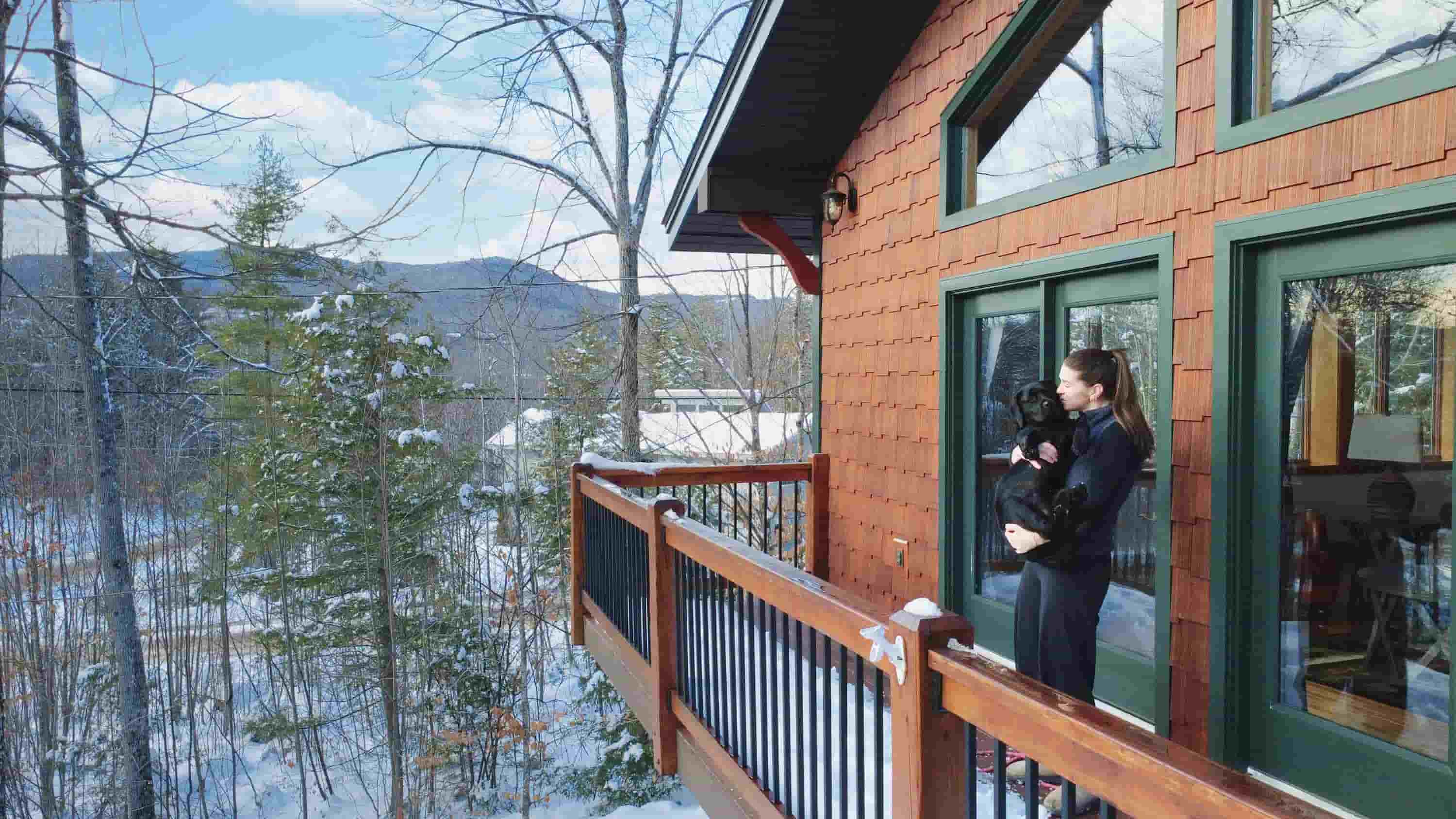
If you’re considering allowing pets, it helps to see what a well-executed pet-friendly property actually looks like in practice. Browse our collection of pet friendly vacation rentals to get a sense of how thoughtful design, clear expectations, and strong management come together. From coastal homes to mountain retreats, these properties are set up to welcome guests traveling with dogs, while still maintaining the quality and consistency that drive strong performance.
But every property is different. What works for one home may not be the right fit for another, and the real question is how a pet-friendly strategy would impact your specific rental.
If you’re curious what your home could earn, and whether going pet-friendly makes sense for your property, connect with our team for a complimentary rental analysis. We’ll walk you through your market, your earning potential, and the best strategy to maximize your results.