How Smart Travelers Plan Year-Round Weekend Getaways in New England
The 4-Season Vacation Strategy
Most people approach vacation the same way every year. They save up their PTO, pick one week in July or August, book something at the beach, and spend the other 51 weeks of the year waiting for it. Then the trip finally arrives, the weather doesn't always cooperate, the prices are high, and somehow it still doesn't feel like enough. There's a better way to think about travel, and a growing number of people have figured it out.
Instead of one expensive, high-pressure peak-season trip, smart travelers spread their time off across all four seasons. They take shorter, more frequent getaways throughout the year. They pay less per trip, deal with fewer crowds, and actually experience more of the places they love. And here's the part that surprises most people: they often use fewer vacation days doing it.
Our New England vacation rentals make this approach easier than most people realize. The region offers something different in every season, from beach weekends in summer to ski trips in winter, with fall foliage and spring hiking filling in the gaps. Weekend getaways in New England aren't a consolation prize for people who can't afford a "real" vacation. For the people who do it intentionally, they're often better than the alternative.
Why Weekend Getaways Beat the One-Big-Vacation Model
There's real evidence that frequent short breaks do more for your mental health and overall wellbeing than one long annual trip. The anticipation of an upcoming trip, even a short one, lifts your mood. And that effect resets every time you have something planned.
The financial case is just as strong. A single week at a peak-season beach house can cost as much as 3 or 4 shorter trips during shoulder season. Spread that same budget across multiple getaways, and you get more experiences, more memories, and less of that post-vacation "I only get one of these a year" pressure.
Vacation rentals make this approach even smarter. A full house with a kitchen, multiple rooms, and outdoor space often costs the same as 2 or 3 hotel rooms for a weekend. Split with another couple or a small group, and the math gets even better. You're cooking some meals instead of eating out every night, you have space to actually relax, and the experience feels much more like a real trip than two nights in a standard hotel room.
Spring Weekend Getaways in New England: March Through May
Spring is the most underrated season for weekend travel in New England. Rental prices are at their lowest (or close to it), the crowds are gone, and the region is beautiful after winter.
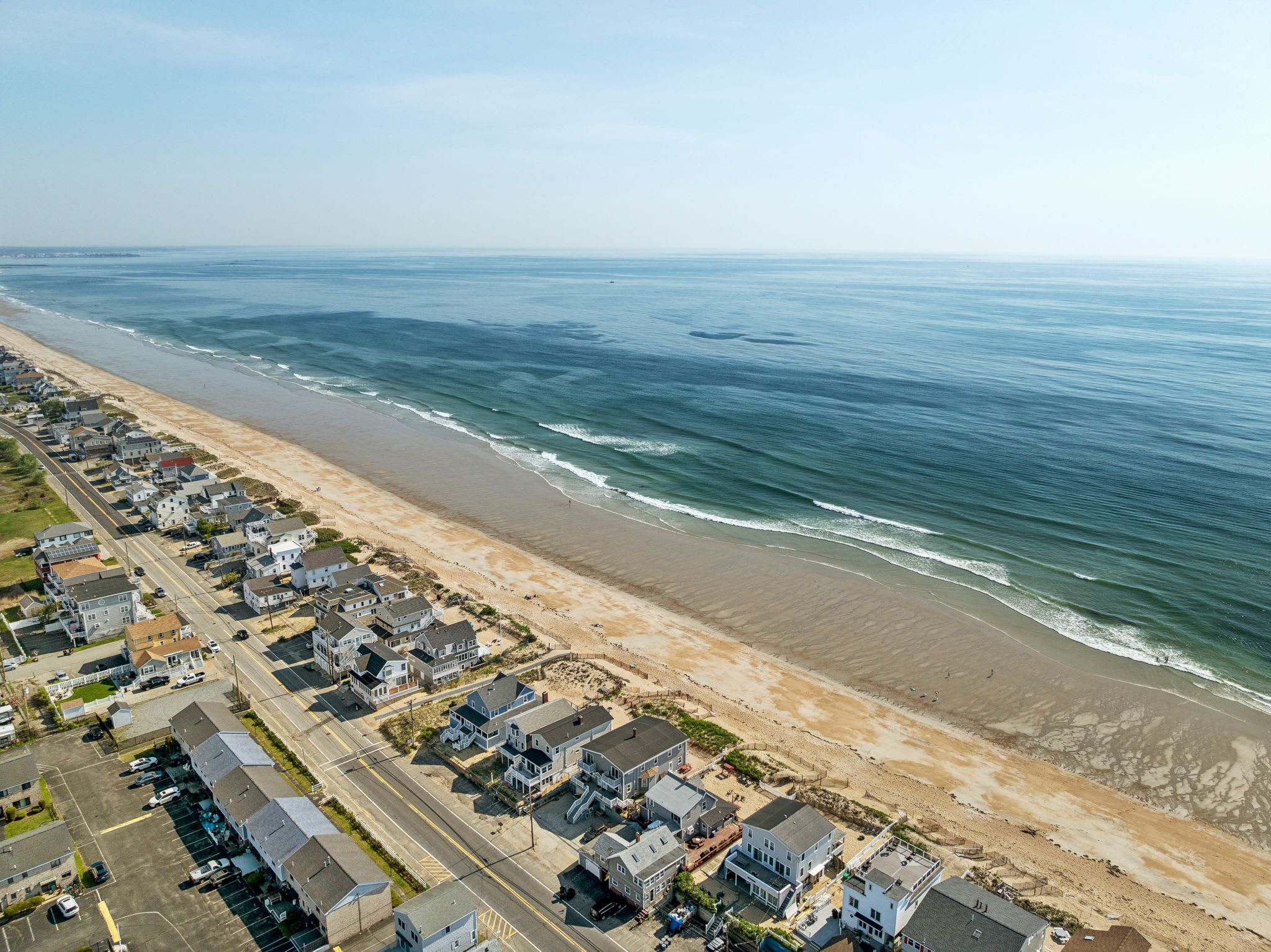
By late April, mud season in the White Mountains wraps up and hiking trails start opening. The coast is quiet in a good way. Portsmouth restaurants aren't packed. Plum Island is peaceful. You can walk the beach without navigating around countless umbrellas and beach chairs.
Spring in New England also brings maple syrup season, early farmers markets, and excellent weather. Temperatures in the 50s and 60s with low humidity are about as good as it gets for time outdoors.
For families, spring travel avoids the school-year scheduling crunch without hitting peak prices. For couples, it's one of the best times for a low-key romantic getaway. For anyone watching their budget, spring delivers the most value per dollar of any season.
Smart holiday timing for spring: Patriots' Day falls in April and gives Massachusetts residents a built-in 3-day weekend. Easter weekend books up faster than most people expect, so plan ahead if that's your target. Memorial Day marks the unofficial start of summer pricing, so the weekends just before it are some of the most affordable ones until fall.
Summer Weekend Getaways in New England: June Through August
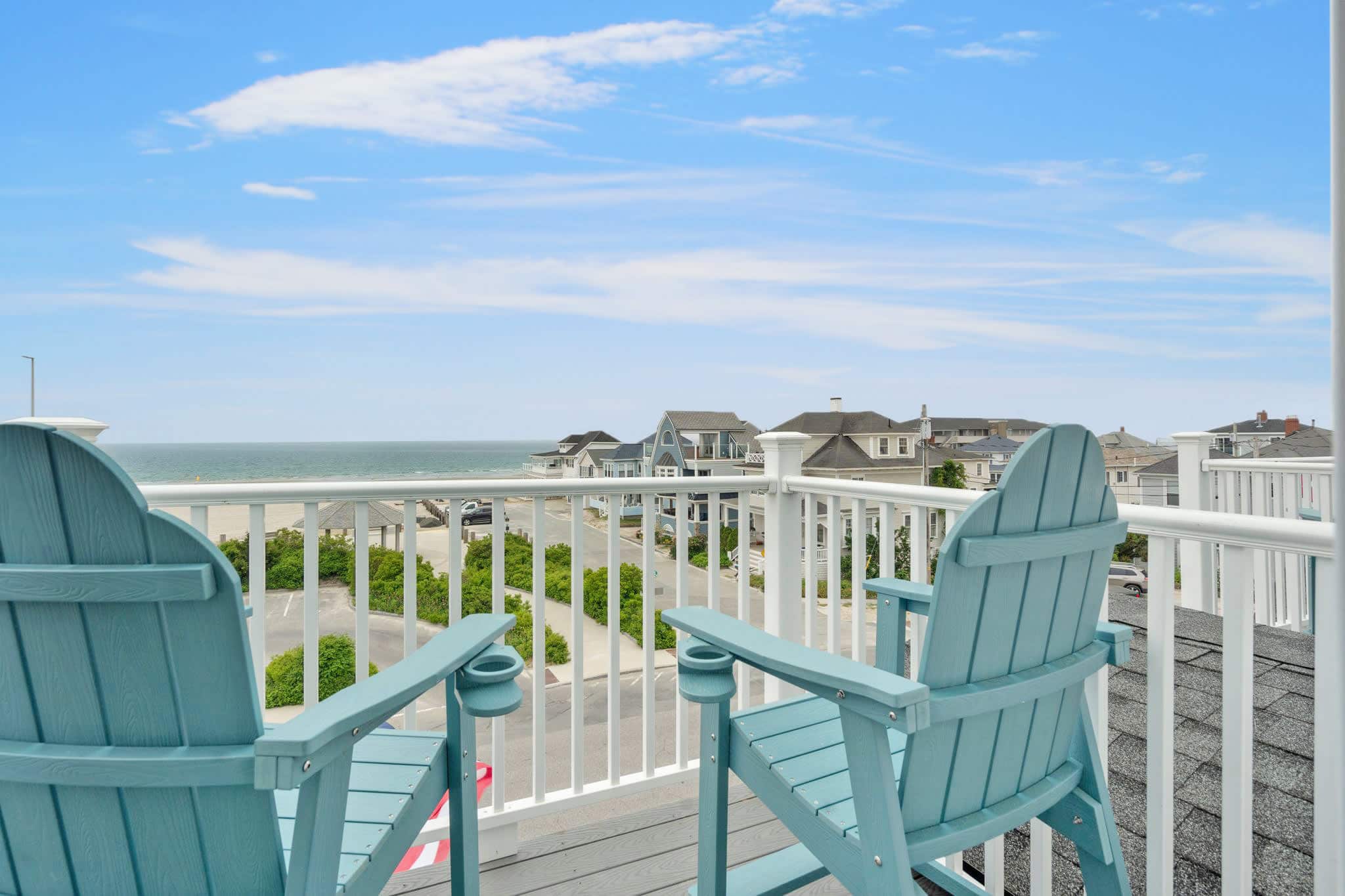
Summer is the most popular season for a reason. The ocean is warm enough to swim, the days are long, and the entire New England coast is at its best. Hampton Beach, Salisbury Beach, and Plum Island draw crowds for good reason, and the right vacation rental puts you close enough to enjoy all of it without the hotel room shuffle.
The White Mountains offer the opposite experience during summer. While the coast heats up, mountain towns like North Conway and Bartlett stay cooler. Hiking, kayaking, and exploring the Kancamagus Highway in summer is a much different trip from the same area in winter.
Summer is also festival season. Outdoor concerts, farmers markets, lobster festivals, and harbor events run from June through August across both the seacoast and mountain regions.
The trade-off is price. Summer weekends, especially 4th of July, Labor Day, and mid-July, book out months in advance and cost more than any other time of year. Here's how to play it smarter:
Smart timing and booking strategies for summer: Book 3 to 6 months ahead for peak weekends. For more flexibility, Sunday through Thursday stays run 30 to 40% less than Friday and Saturday nights. Weekly rentals offer better per-night rates than weekend bookings.
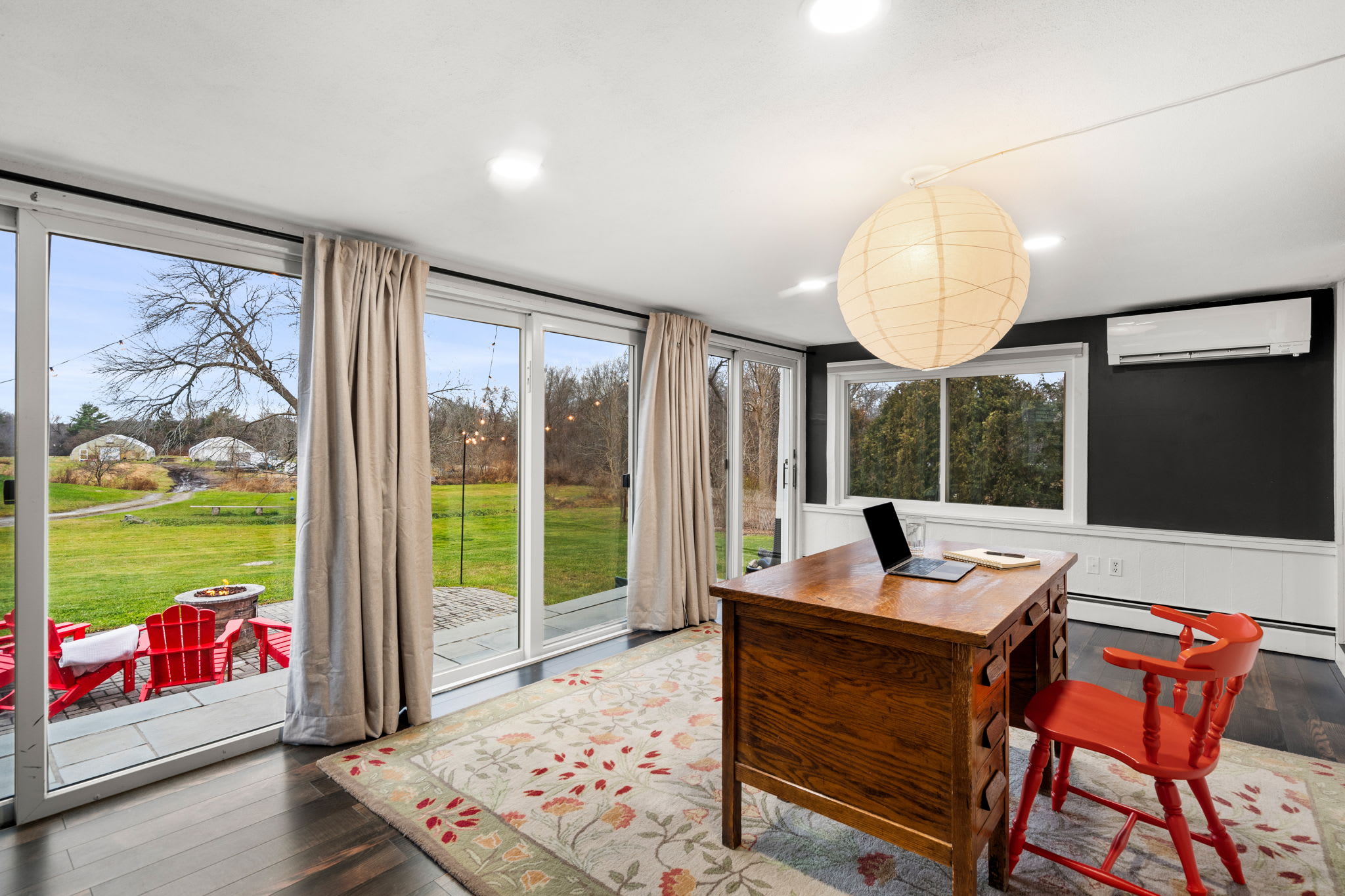
This is a great time to take advantage of working remotely if you have that option. Work from the beach house Monday through Thursday, then treat Friday through Sunday as your weekend. You've used 1 vacation day and had a full week at the coast.
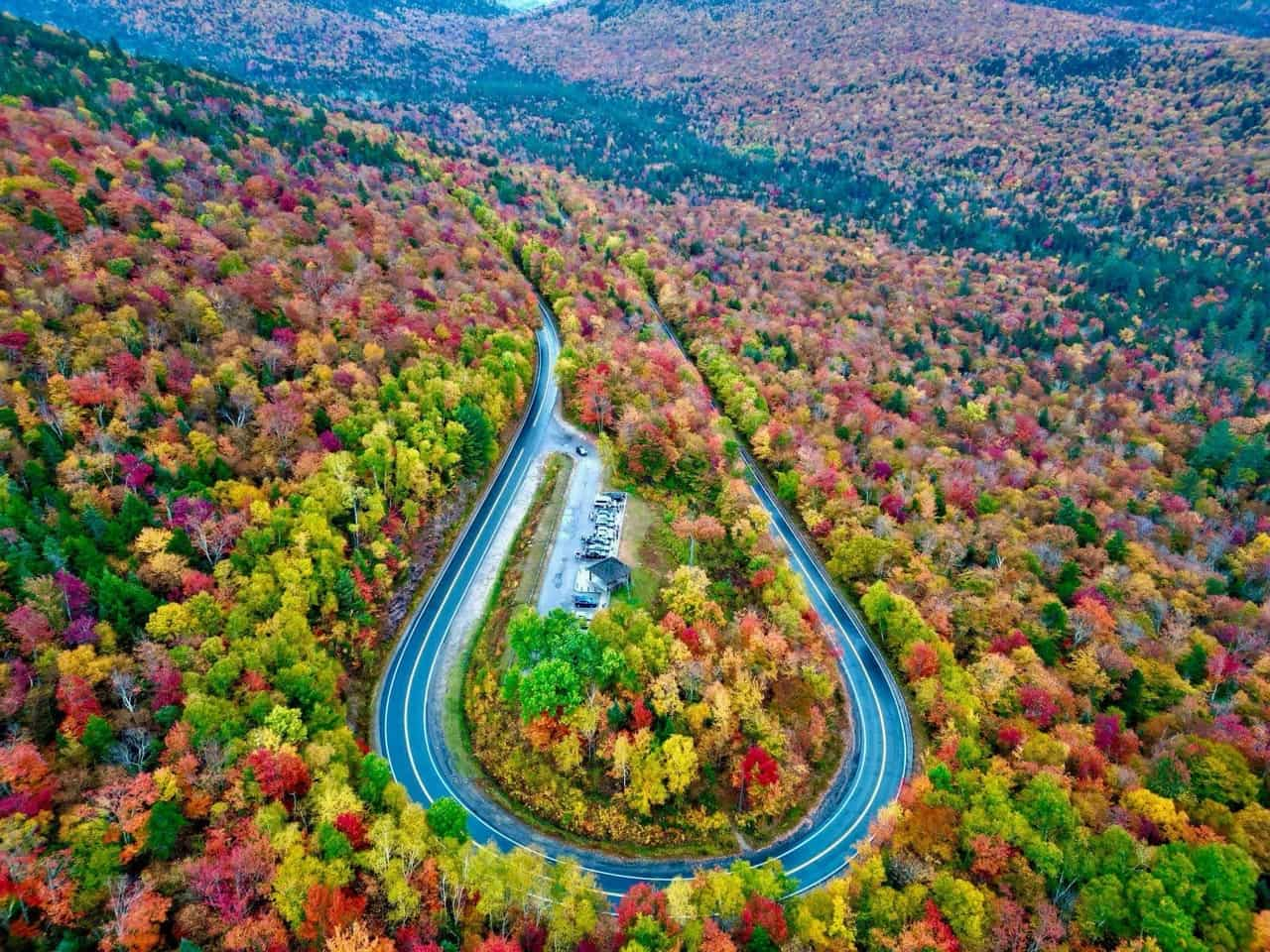
Fall Weekend Getaways in New England: September Through November
Fall foliage is what New England is famous for, and it earns that reputation every year. The stretch from late September through mid-October brings some of the most sought-after weekend dates on the calendar, and the Kancamagus Highway in the White Mountains is at the center of it.
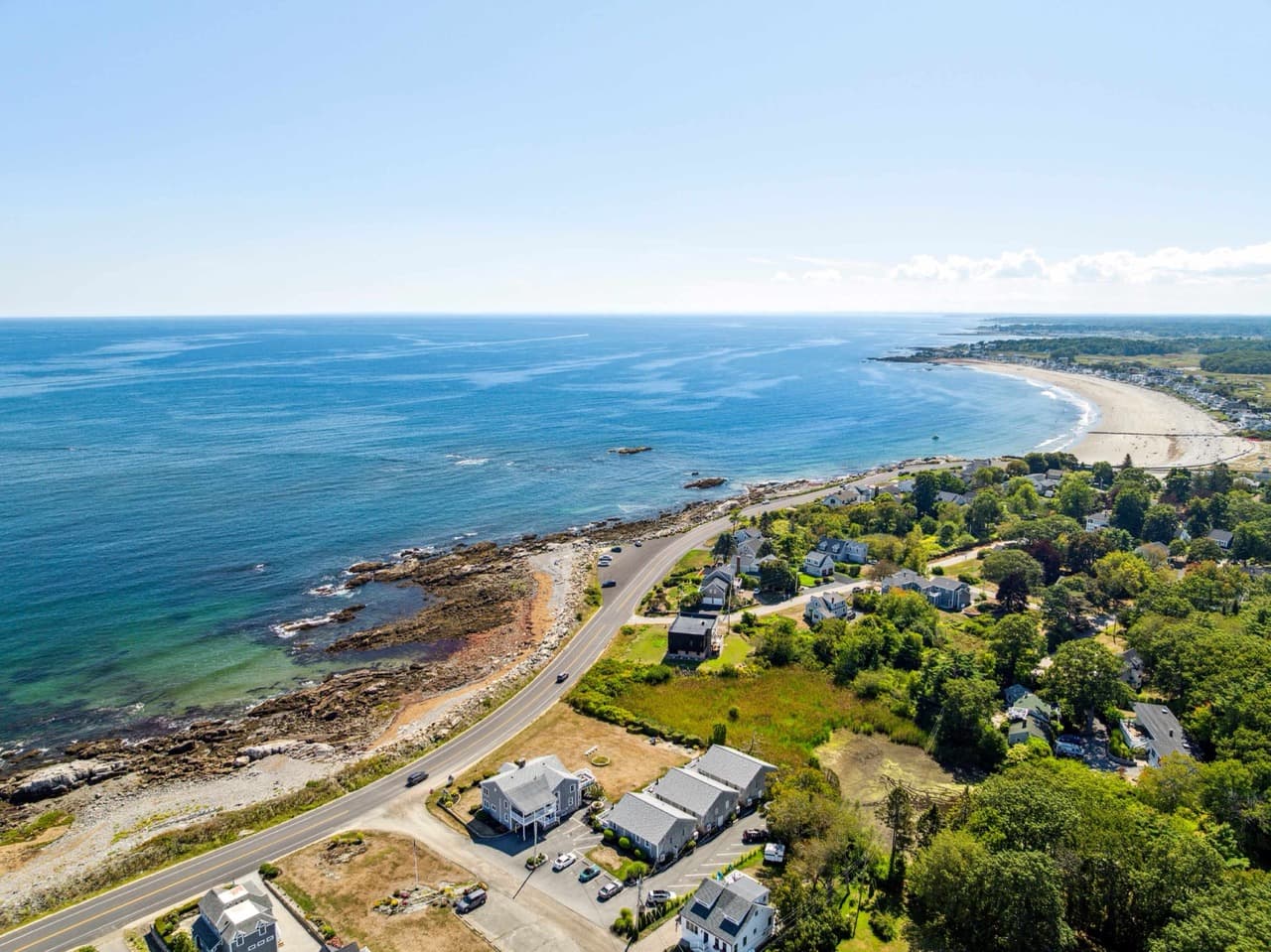
The coastal towns shift into a more relaxed gear after Labor Day, prices drop, and you get ocean views with fall colors in the background, which is a combination that's hard to find anywhere else.
Temperatures in the 60s, harvest season, apple picking, craft beer festivals, and hiking without summer heat all converge into a season that consistently surprises people who haven't experienced it.
Mid-September to early October is a sweet spot: summer crowds are gone, foliage is starting, and prices haven't hit peak foliage levels yet.
Pro tip: Check NH foliage reports starting in late September. Timing varies by elevation and year, and tracking the reports lets you plan your drive or hike for peak color.
Winter Weekend Getaways in New England: December Through February
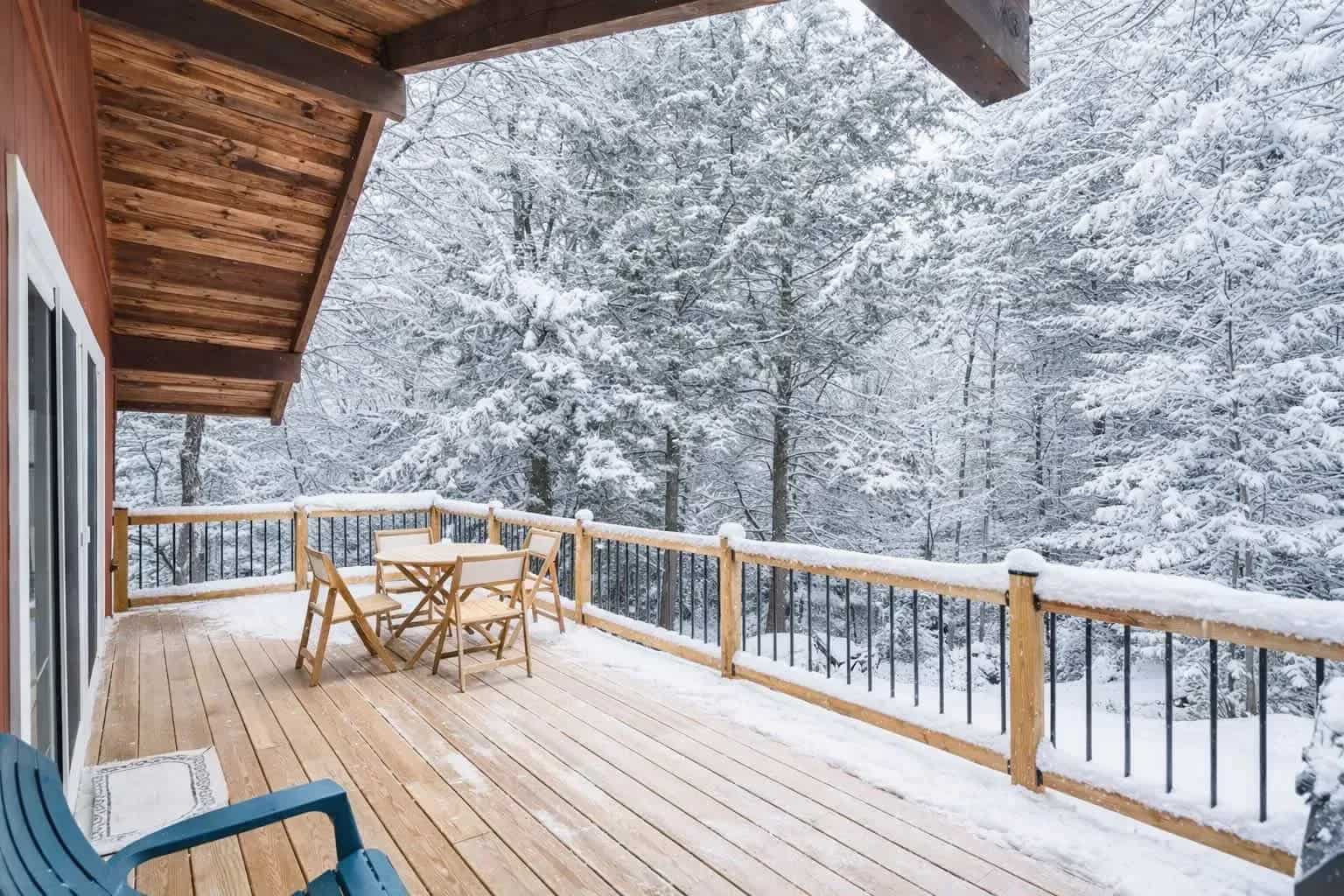
A New England winter getaway is the perfect chance to escape the chaos of the holidays. The White Mountains have 8 ski areas within easy reach of our properties, from beginner-friendly runs at King Pine to more advanced terrain at Wildcat and Cannon Mountain. A ski weekend at a private cabin shared among couples or a family group costs a fraction of what a comparable resort stay would run.
Winter on the coast is quiet in the best way. Portsmouth stays active through the colder months with holiday markets, restaurants, and local events. Snowy coastal walks are genuinely beautiful and genuinely uncrowded.
For anyone who hasn't tried a winter beach getaway, the off-season version of Hampton or Salisbury offers something the summer version can't: total quiet, dramatic ocean views, and rental rates that are a fraction of peak season.
Smart holiday timing for winter: MLK Jr. Day weekend in January is one of the best ski weekends of the year for reliable snow. Presidents' Day weekend in February is traditionally one of the busiest ski weeks, so book that one early.
Stop Waiting for That One Perfect Week
New England doesn't give you one good season for travel. It gives you four, each with its own reasons to go, its own pricing, and its own version of what a weekend away can look like.
The traveler who plans a beach trip in July, a foliage weekend in October, a ski getaway in February, and a spring hike in April experiences more of this region in one year than most people do in five. They're not spending more money overall. They're just spending it differently.
At Seacoast 2 Summit, we manage properties across the coast and the mountains, specifically so you have options no matter the season. Beach houses steps from the water in summer. Mountain cabins close to the ski areas in winter. Properties in both regions that offer a totally different experience in spring and fall than during peak weeks.
Explore our New England vacation rentals and start building your year-round getaway plan. The mountains and the coast are both waiting.